📋 Quick Navigation
Strength & Hypertrophy Calculators
Measure, Monitor & Improve Your Results
Whether your goal is building strength, gaining muscle, or improving overall physique development, these calculators can help you track meaningful training metrics and make more informed decisions about your training.
From estimating your one-repetition maximum and calculating training volume to assessing muscle balance, managing recovery, and building structured programmes, these tools provide practical insights to support your progress.
These calculators are designed for educational purposes and provide estimates based on the information entered. Results should be interpreted alongside body composition, lifestyle, fitness levels, and individual circumstances.
Strength
Measure maximal strength, compare your performance against standards, identify imbalances, and build evidence-based strength training programmes.
Strength Standards
What Are Strength Standards?
Strength Standards compare your lifting performance against established benchmarks based on factors such as body weight, sex, and training experience. They can help you understand how your strength levels compare to others and identify whether you fall within the beginner, novice, intermediate, advanced, or elite categories.
Why It Matters
- Provides a benchmark for your current strength level
- Helps set realistic training goals
- Tracks progress beyond the weight on the bar
- Identifies strengths and areas for improvement
Important to Know
Strength Standards are general guidelines and may vary between organisations and populations. Individual results can be influenced by factors such as age, body composition, training history, and exercise technique. Use them as a reference point rather than a definitive measure of your ability.
Strength Standards
Compare your lifts to population averages
💡 Strength standards are based on population averages. Compare your lifts to see where you stand. For pull-ups, total weight = Body Weight + Added Weight.
Training Max calculator
What Is Training Max?
A Training Max is a percentage of your estimated One Rep Max (1RM) used to determine training loads for strength programmes. Rather than basing workouts on your absolute maximum, a Training Max provides a more conservative starting point that helps manage fatigue, maintain proper technique, and support long-term progress.
Why It Matters
- Helps determine appropriate training loads
- Supports safe and sustainable strength progression
- Reduces the risk of excessive fatigue
- Commonly used in structured strength programmes
Important to Know
A Training Max is typically set between 85–95% of your estimated 1RM, depending on the programme and individual needs. It is designed to guide training rather than reflect your true maximum strength and should be adjusted as your performance improves over time.
Training Max Calculator
Calculate your training loads based on % of 1RM
| % of 1RM | Weight | Reps | Intensity | Use For |
|---|
💡 Training max is typically 90% of your 1RM. Use percentages to plan your training sessions based on your goals. For pull-ups, total weight = Body Weight + Added Weight.

Strength Balance / Muscle Symmetry Calculator
What Is Strength Balance / Muscle Symmetry?
Strength Balance and Muscle Symmetry refer to how evenly strength and muscular development are distributed between opposing muscle groups and between the left and right sides of the body. Assessing these relationships can help identify imbalances that may affect performance, movement quality, and injury risk.
Why It Matters
- Helps identify strength and muscle imbalances
- Supports better movement efficiency and exercise technique
- May reduce the risk of overuse injuries
- Improves overall athletic performance and functional strength
- Assists with balanced muscle development and physique goals
Important to Know
Perfect symmetry is neither common nor necessary for most people. Small differences between sides are normal and often have little impact on performance. Strength balance should be assessed alongside factors such as mobility, movement quality, training experience, injury history, and exercise technique. Use these results as a guide to inform training decisions rather than as a definitive measure of performance or health.
Strength Balance Analyzer
Identify muscular imbalances between opposing muscle groups
| Metric | Ratio | Status | Recommendation |
|---|
💡 Ideal ratios: Push/Pull ~1:1, Squat/Deadlift ~0.85-0.95, Upper/Lower varies by sport. Imbalances increase injury risk and limit performance.

Strength Programme Builder Calculator
What Is a Strength Programme Builder?
A Strength Programme Builder helps create a structured training plan focused on increasing maximal strength. By considering factors such as training experience, available training days, current strength levels, and exercise preferences, it generates a programme designed to improve performance in key lifts while supporting long-term progression.
Why It Matters
- Provides a clear and progressive strength-training structure
- Helps balance training intensity, volume, and recovery
- Supports steady improvements in maximal strength
- Reduces guesswork when planning workouts
- Ensures key movement patterns are trained effectively
Important to Know
Building strength requires more than following a programme. Consistent effort, proper technique, adequate recovery, sleep, nutrition, and progressive overload all play essential roles in achieving long-term results. A strength programme should be adjusted over time based on performance, recovery, and individual goals to ensure continued progress while minimising the risk of injury.
Strength Program Builder
6 fundamental exercises · Build raw strength
| Category | Purpose | Sets | Reps | Intensity | Rest |
|---|
| — |
💡 The 6 fundamental exercises build a foundation of strength. Train 2-3x per week, focus on progressive overload, and recover properly.

Hypethropy
Track training volume, estimate effort levels, and optimise muscle-building programmes to support hypertrophy and long-term progression.
Training Load Calculator
Training Load, often referred to as Training Volume, measures the total amount of work performed during a workout or training period. It is commonly calculated using the weight lifted, repetitions completed, and sets performed, helping you quantify and monitor your training workload over time.
Why It Matters
- Helps track overall training workload
- Supports progressive overload and long-term progress
- Assists with programme planning and recovery management
- Identifies trends in training performance over time
Important to Know
Training Volume is only one aspect of an effective training programme. Factors such as exercise selection, training intensity, technique, recovery, sleep, and nutrition also play important roles in achieving strength and performance goals. Use volume data alongside other performance metrics for a more complete picture of your training progress.
Training Load Calculator
Calculate volume load, intensity, and training stress
| Metric | Value | Interpretation |
|---|
💡 Volume load = Weight × Reps × Sets. Track your training load to manage fatigue and optimize progress. For bodyweight exercises, total weight = Body Weight + Added Weight.

Reps to Failure / RPE Calculator
What Is Reps to Failure / RPE?
Reps to Failure and Rate of Perceived Exertion (RPE) are methods used to estimate how challenging a set feels and how close you are to reaching muscular failure. They help you gauge training intensity without relying solely on percentages or fixed repetition targets.
Why It Matters
- Helps regulate training intensity and effort
- Supports effective progression without unnecessary fatigue
- Improves exercise performance and recovery management
- Allows training to be adjusted based on daily readiness
- Useful for both strength and muscle-building programmes
Important to Know
RPE and Reps in Reserve (RIR) are subjective measures and may become more accurate with training experience. While these tools can help guide effort levels, factors such as exercise selection, technique, recovery, sleep, stress, and nutrition also influence performance. Use RPE alongside other training metrics to make informed decisions about your programme and long-term progress.
Reps to Failure / RPE Calculator
Rate of Perceived Exertion · Optimize your hypertrophy training
| Metric | Value | Interpretation |
|---|
💡 RPE (Rate of Perceived Exertion) measures how hard you're working on a scale of 1-10. For hypertrophy, train at RPE 7-9 (1-3 reps in reserve) for optimal muscle growth. RPE 10 is failure.

Hypertrophy Programme Builder
What Is a Hypertrophy Programme Builder?
A Hypertrophy Programme Builder helps create a structured training programme designed to maximise muscle growth. By considering factors such as training experience, workout frequency, muscle group priorities, and weekly volume, it provides a personalised framework for effective hypertrophy training.
Why It Matters
- Creates a balanced and structured muscle-building programme
- Helps distribute training volume effectively across the week
- Supports progressive overload and long-term progression
- Ensures all major muscle groups receive appropriate attention
- Saves time when designing a training plan
Important to Know
No programme is effective without consistency and progression. While a well-designed hypertrophy programme provides the foundation for muscle growth, results also depend on training effort, exercise execution, recovery, sleep, nutrition, and adherence. Use the programme as a starting point and adjust volume, exercise selection, and frequency based on your progress and recovery capacity.
Hypertrophy & Endurance Program
Build muscle & muscular endurance · Higher reps, more volume
| Category | Purpose | Sets | Reps | Intensity | Rest |
|---|
| — |
💡 Higher reps build muscular endurance and metabolic stress for hypertrophy. Focus on tempo and mind-muscle connection. Choose exercises that suit your equipment.

HYBRID TRAINING CALCULATORS
Improve overall training quality with tools for warm-ups, recovery, deload planning, and training max calculations to support sustainable progress.

Warm-up Calculator
What Is a Warm up Calculator?
Helps determine the optimal warm-up sets and weights needed before your main working sets. By gradually increasing load while managing fatigue, it prepares your muscles, joints, and nervous system for safe and effective training.
Why It Matters
- Improves exercise performance and movement quality
- Helps prepare muscles and joints for heavier loads
- Reduces unnecessary fatigue before working sets
- Supports safer and more efficient strength and hypertrophy training
Important to Know
Warm-up requirements vary based on the exercise, training goal, experience level, and working weight. Strength-focused sessions typically require more progressive warm-up sets than hypertrophy-focused sessions. A proper warm-up should increase readiness without creating fatigue that negatively affects your performance during the main workout.
Warm-up Calculator
Simple, effective warm-up protocols for every lifter
🟢 Beginner Protocol
Keep it simple. Focus on feeling the movement with light weight.
| Set | Weight | % of 1RM | Reps | Intensity | Rest |
|---|
📌 Key Tips
• Start with empty bar or very light weight
• Focus on technique and mind-muscle connection
• Don't fatigue yourself before working sets
💡 Warm-up should prepare you for work sets, not fatigue you. Keep reps low and intensity controlled.
Hybrid Rest & Recovery Calculator
What Is a Hybrid Rest & Recovery Calculator?
A Hybrid Rest & Recovery Calculator helps determine appropriate recovery periods between training sessions by considering both strength and endurance workloads. It estimates your recovery needs based on training volume, intensity, frequency, and overall fatigue levels, helping you balance performance, adaptation, and recovery.
Why It Matters
- Helps optimise recovery between workouts
- Reduces the risk of excessive fatigue and overtraining
- Supports consistent progress in both strength and endurance training
- Assists with scheduling training days and recovery sessions
- Improves long-term performance and training sustainability
Important to Know
Recovery needs vary significantly between individuals and depend on factors such as training intensity, fitness level, age, sleep quality, nutrition, stress levels, and overall lifestyle. While recovery calculations can provide useful guidance, listening to your body’s feedback and adjusting your training accordingly remains essential for achieving the best results and reducing injury risk.
Rest & Recovery Calculator
Optimal rest periods for strength, hypertrophy & endurance
💪 Hypertrophy Protocol
Rest 60-90 seconds between sets. Focus on tension and pump.
| Metric | Value | Recommendation |
|---|
💡 Rest periods should match your training goal. Strength requires full recovery (3-5 min). Hypertrophy needs moderate rest (60-90s). Endurance uses short rest (30-60s).
Deload Calculator
What Is a Deload Calculator?
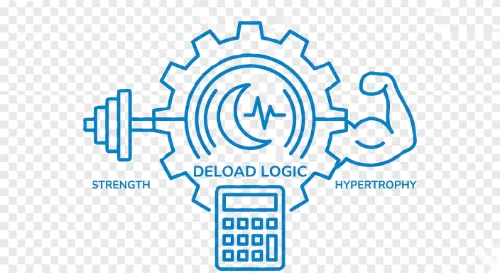
A Deload Calculator helps determine when and how much to reduce your training workload to promote recovery and maintain long-term progress. By considering factors such as training volume, intensity, fatigue levels, and training history, it provides guidance on implementing effective deload periods within your programme.
Why It Matters
- Helps manage accumulated fatigue from hard training
- Supports recovery of muscles, joints, and the nervous system
- Reduces the risk of overtraining and injury
- Improves long-term strength, muscle growth, and performance
- Helps maintain training consistency and progression over time
Important to Know
A deload is not a sign of weakness or lost progress. Strategic reductions in training volume and/or intensity can enhance recovery and prepare you for future training blocks. The frequency and structure of deloads vary based on factors such as training experience, workload, recovery capacity, age, stress levels, and individual response to training. Use deload recommendations as a guideline and adjust them according to your performance, recovery, and overall readiness.
Deload Calculator
Know when to deload · Prevent overtraining
🔄 Deload Recommended
Reduce volume and intensity to allow full recovery.
| Metric | Current | Deload | Change |
|---|
💡 Deloading allows your nervous system and muscles to recover, preventing injury and promoting long-term progress. Most lifters need a deload every 4-8 weeks.